Bata Shoe’s profit jumped 53 per cent year-on-year to Tk 422 million in the nine months through September this year, as it brought down cost of sales and hiked selling prices.
During the period, the multinational footwear maker’s revenue rose only 1.34 per cent, compared to the same period, according to its unaudited financial statements. The profit grew at a much faster pace than revenue as the company increased selling prices. As a result, the earnings per share (EPS) surged to Tk 30.88 for Jan-Sept this year from Tk 20.11 for the same period a year ago. However, in the third quarter ended in September, the company counted a loss of Tk 16.25 million, 72 per cent down from the loss reported for the same quarter last year. Cost cuts and foreign exchange gain helped reduce loss in Q3. Over the nine-month period ended in September, Bata’s finance income more than doubled to Tk 78 million, while finance costs fell 55 per cent year-on-year to Tk 117 million. Accordingly, net finance cost plummeted 83 per cent year-on-year to Tk 38.34 million in the nine months through September this year. Explaining the steep decline in finance cost, an official of the company, requesting not to be named, said the company had purchased 26 per cent less finished goods during the nine-month period, compared to a year earlier, while cost of raw materials dropped 12.50 per cent. Cheaper raw materials helped the company to reduce foreign exchange loss to nil in Jan-Sept from Tk 150 million during the same period last year. Earnings per share escalated due to efficient management of costs and net foreign exchange gain, said the company in its earnings note. Meanwhile, the company declared a 330 per cent interim cash dividend, depending on the nine-month business performance and retained earnings up to the end of last year. The company will disburse more than Tk 451 million in interim cash dividends. The record date for entitlement of interim cash dividend is November 21. The net operating cash flow per share was Tk 39.28 for January-September 2023, down from Tk 53.97 a year ago because of payments to suppliers and contractors for goods and services. The stock dropped 0.60 per cent to close at Tk 989.20 per share on Wednesday. The shoe maker went into the red in 2020 for the first time in its six decades of operations in Bangladesh as annual sales dropped 41 per cent due to Covid restrictions. Recurring Covid waves snatched business opportunities in 2021 as well, as the two Eid festivals, which usually contribute to more than one-third of Bata’s annual sales, were lost to lockdowns. Since there were no restrictions in 2022, the shoe business could recover but not to the expected level because of the depreciation of the taka against the dollar. On the other hand, Bata’s nearest competitor Apex Footwear witnessed record sales and sales growth in FY23, thanks to increased export and domestic sales . The country’s leading footwear maker’s export soared more than 35 per cent year-on-year to Tk 7.14 billion while domestic sales jumped 22.25 per cent to Tk 9.40 billion in FY23, compared to the previous fiscal year. Apex’s high revenue income led to a 21 per cent year-on-year surge in profit in FY23. Financial Express
fstcap
দুটি কোম্পানির সঙ্গে অন্য দুটি কোম্পানি একীভূত হওয়ার পর কমে গেছে শেয়ার সংখ্যা। দর সমন্বয় হয়েছে, তবে ফ্লোর সমন্বয় হয়নি। ফলে বিপুল লোকসান হচ্ছে বিনিয়োগকারীর।
পুঁজিবাজারে সব শেয়ারের সর্বনিম্ন মূল্য বা ফ্লোর প্রাইস কার্যকর থাকার পরও দুটি কোম্পানিতে বিনিয়োগকারীদের টাকা কার্যত উবে যাচ্ছে।
কোম্পানি দুটি অন্য দুটি কোম্পানির সঙ্গে একীভূত হওয়ার পর তাদের পরিশোধিত মূলধন কমে গেছে। ফলে একটি কোম্পানির ক্ষেত্রে প্রতি তিনটি শেয়ার পরিণত হয়েছে একটিতে। আরেকটি কোম্পানির প্রতি ৫.৫৯টি শেয়ার পরিণত হয়েছে একটিতে।
শেয়ার কমে যাওয়ার পর দুটি কোম্পানিরই দাম সমন্বয় হয়েছে। পুঁজিবাজারে করপোরেট ঘোষণার পর বোনাস বা রাইট শেয়ার দিলে শেয়ার সংখ্যা যত বাড়ে, নতুন ফ্লোর প্রাইসও সেই হারে কমিয়ে আনা হয়। কিন্তু এই হিসাবে ফ্লোর প্রাইস সমন্বয় করে বাড়িয়ে না দেওয়ায় দুই দিনেই বিপুল পরিমাণ আর্থিক ক্ষতির মুখে পড়েছেন বিনিয়োগাকারীরা; সেই ক্ষতি আরও বাড়ার আশঙ্কা তৈরি হয়েছে।
বিনিয়োগকারীরা ক্ষুব্ধ, তারা হতাশ, কিন্তু কার কাছে যাবেন, সেটি বুঝতে পারছেন না। পুঁজিবাজার সংশ্লিষ্ট ফেইসবুক পেইজে তারা তাদের বক্তব্য তুলে ধরছেন।
নতুন ফ্লোর প্রাইস না থাকার কারণে রেকর্ড ডেট শেষে পরপর দুই দিন কমেছে দাম। একটি কোম্পানিতে বিনিয়োগকারীর লোকসান এরই মধ্যে প্রায় ৪০ শতাংশে পৌঁছে গেছে, আরেকটি কোম্পানির লোকসান ১১ শতাংশের বেশি।
কোম্পানি দুটি হলো ফার কেমিকেলস ইন্ডাস্ট্রিজ লিমিটেড ও আর এন স্পিনিং মিলস লিমিটেড। এতদিন ফ্লোরের সীমার কারণে দর কমতে না পারলেও একীভূত হওয়ার পর শেয়ারদর তার সেই ফ্লোর প্রাইসেই নেমে আসার সুযোগ তৈরি হয়েছে।
লোকসান কত
বস্ত্র খাতের কোম্পানি আরএন স্পিনিং মিলস একীভূত হয়েছে সামিন ফুডের সঙ্গে। সামিন ফুডের সব সম্পদ ও দায় আরএন স্পিনিং মিলসের কাছে হস্তান্তর করা হয়েছে। এ দুই কোম্পানির বিদ্যমান সব ইকুইটি শেয়ার বাতিল করা হয়েছে।
হাই কোর্টের নির্দেশ ছিল, আরএন স্পিনিং মিলসকে সামিন ফুডের শেয়ারধারীদের কোম্পানিটির ২৩ কোটি ৩১ লাখ ৮৬ হাজার ৫৮৪টি শেয়ারের বিপরীতে নিজেদের সমসংখ্যক শেয়ার ইস্যু করতে হবে।
সেই হিসাবে সামিন ফুডের একটি শেয়ারের বিপরীতে আরএন স্পিনিং একটি নতুন শেয়ার ইস্যু করেছে। কিন্তু নিজেদের একটি শেয়ার হয়ে গেছে ০.১৭৯ টিতে। অর্থাৎ প্রতি ৫.৫৯টি শেয়ার একটি শেয়ারে পরিণত হয়েছে।
অন্যদিকে ওষুধ ও রসায়ন খাতের ফার কেমিকেলসের সঙ্গে একীভূত হয়েছে এস এফ টেক্সটাইল। এ ক্ষেত্রে ফার কেমিকেলসের প্রতি তিনটি শেয়ার পরিণত হয়েছে একটি শেয়ারে।
সোমবার রেকর্ড ডেটের আগের দিন রোববার আর এন স্পিনিং মিলসের প্রতিটি শেয়ার লেনদেন হয়েছে ৬ টাকা ২০ পয়সায়। রেকর্ড ডেট শেষে মঙ্গলবার শেয়ারটির দর স্থির হয় ২৩ টাকা ২০ পয়সায়। অথচ ৫.৫৯টি শেয়ারের দর রোববার ছিল ৩৪ টাকা ৬৫ পয়সা। অর্থাৎ একীভূত হওয়ার কারণে প্রথম দিনই বিনিয়োগকারীর লোকসান হয় ১১ টাকা ৪৫ পয়সা।
শুধু তাই নয়, দ্বিতীয় দিনের লেনদেনে সেই ২৩ টাকা ২০ পয়সা থেকে ৯.৯১ শতাংশ কমে দাম দাঁড়িয়েছে ২০ টাকা ৯০ পয়সায়।
অর্থাৎ দুই দিনেই আরএন স্পিনিংয়ের বিনিয়োগকারীরা হারিয়েছেন ৩৯.৬৮ শতাংশ দাম।
ফার কেমিকেলসের ক্ষতি সেই তুলনায় কম। কোম্পানিটি শেয়ারদর গত কয়েক মাস ধরে তার ফ্লোর প্রাইস ১০ টাকা ৬০ পয়সার নিচে নামতে পারছিল না। মঙ্গলবার একীভূত হওয়ার কারণে প্রতি তিনটি শেয়ার পরিণত হয় একটিতে। সেই হিসাবে দর সমন্বয় হওয়ার কথা ছিল ৩১ টাকা ৮০ পয়সায়। কিন্তু দিন শেষে দর স্থির হয় ৩১ টাকা ৩০ পয়সায়।
ফ্লোর প্রাইসে পরিবর্তন না আসার কারণে আসল ক্ষতিটা হয় বুধবার। শেয়ারের দর প্রায় ১০ শতাংশ কমে দাঁড়িয়েছে ২৮ টাকা ২০ পয়সায়। আগের হিসাবে প্রতিটি শেয়ারের দর হয় ৯ টাকা ৪০ পয়সা। অর্থাৎ এই কোম্পানির বিনিয়োগকারীরা দুই দিনে হারিয়েছেন ১১.৩২ শতাংশ।
ডিএসইর ‘নিষ্ক্রিয়তায়’ ডিবিএর বিস্ময়
আর এন স্পিনিং ও ফার কেমিকেলসের বিনিয়োগকারীদের এই আর্থিক ক্ষতির ঘটনটিকে ‘বিস্ময়কর’ বলেছেন বাংলাদেশ স্টক ব্রোকার অ্যাসোসিয়েশন ডিবিএর সভাপতি রিচার্ড ডি রোজারিও।
বিডিনিউজ টোয়েন্টিফোর ডটকমকে তিনি বলেন, “এখানে যা হয়েছে এটা অস্বাভাবিক। এই দুই কোম্পানির ট্রেন্ড তো এভাবে শুরু হওয়া উচিত হয়নি। আমাদের পক্ষ থেকে ডিএসইকে মৌখিকভাবে জানিয়েছিলাম ফ্লোর প্রাইস সমন্বয় না হওয়া পর্যন্ত দুটি কোম্পানির লেনদেন স্থগিত থাকুক। কিন্তু তারা আমাদের কথা শোনেনি। এখন বিনিয়োগকারী লোকসানের সাগরে পড়ে গেল। শুধু তাই না, লোকসান আরও বাড়তে পারে।”
পুঁজিবাজার বিশ্লেষক ও ঢাকা বিশ্ববিদ্যালয়ের অ্যাকাউন্টিং অ্যান্ড ইনফরমেশন সিস্টেমস বিভাগের শিক্ষক আল আমিনের প্রতিক্রিয়া রোজারিওর মতই।
তিনি বলেন, “কোন ভিত্তিতে এই ঘটনাটি ঘটল, তা তো স্পষ্ট নয়। একীভূত করার পর লেনদেনের প্রথম দিনেই তো কর্তৃপক্ষের পক্ষ থেকে একটি সুস্পষ্ট নির্দেশনা বা ঘোষণা থাকা উচিত ছিল। ট্রেডারদের প্রতিও নির্দেশনা থাকা উচিত ছিল। আমি মনে করে এটার জন্য পুরোপুরি দায়ী ডিএসই। এখানে বড় ধরনের কমিউনিকেশনস গ্যাপ ছিল।”
ডিএসইতে ফ্লোর প্রাইস সমন্বয়সহ নানা বিষয়ে এর আগেও ‘অদ্ভুত’ ঘটনা ঘটেছে। ২০২০ সালে করোনাভাইরাস মহামারীর সময় প্রথমবারের মত ফ্লোর প্রাইস দেওয়ার পর একটি কোম্পানি ৫০ শতাংশ রাইট শেয়ার অনুমোদন করার পর কোম্পানির শেয়ার সংখ্যা বাড়লেও ফ্লোর প্রাইস সমন্বয় হয়নি। ফলে বিনিয়োগকারীর স্বয়ংক্রিয় মুনাফা তৈরি হয়।
একাধিক কোম্পানি বোনাস শেয়ার ইস্যুর পরেও ফ্লোর প্রাইস সমন্বয় হয়নি একইভাবে।
এসব বিষয়ে আল আমিন বলেন, “অনিয়ম ও আরও নানা বিষয় নিয়ে আমি অনেক ফোরামে কথা বলেছি, কিন্তু কোথাও কিছু হয়নি, আর হবে বলে মনেও হয় না। দিন শেষে সাধারণ বিনিয়োগকারীই ক্ষতিগ্রস্ত হয়। কারণ এখানে কোনো জবাবদিহিতা নেই।
“বোনাস শেয়ার নিয়ে কত কিছু ঘটেছে। দাম সমন্বয়ের পর বিএসইসি বোনাসের প্রস্তাব নাকচ করেছে। আবার কোনো কোম্পানির নগদ ও বোনাস শেয়ারের রেকর্ড ডেট একটিই ছিল, কোনো কোম্পানির ক্ষেত্রে এটি হয় আলাদা। কোনো কোম্পানির বোনাস শেয়ারের প্রস্তাব অনুমোদন হয় দুই মাসেই, কোনোটার ক্ষেত্রে আবার তা অনুমোদন হতে হতে ১০ বা ১১ মাস লেগে যায়।”
পাল্টা প্রশ্ন ছুঁড়ে এই পুঁজিবাজার বিশ্লেষক বলেন, “আপনারা বলেন পুঁজিবাজার নিয়ে বিনিয়োগকারীদের মধ্যে আস্থার সংকট। এই যদি অবস্থা হয়, তাহলে কেন হবে না?”
দাম আর কত কমতে পারবে?
যোগাযোগ করা হলে ঢাকা স্টক এক্সচেঞ্জ-ডিএসইর প্রকাশনা ও জনসংযোগ বিভাগের উপমহাব্যবস্থাপক শফিকুর রহমান বিডিনিউজ টোয়েন্টিফোর ডটকমকে বলেন, দুটি কোম্পানির দর আবার তার ফ্লোর প্রাইসে নেমে আসতে পারবে।
অর্থাৎ আর এন স্পিনিং মিলসের শেয়ার দর আবার ৬ টাকা ২০ পয়সায় আর ফার কেমিকেলসের দর ১০ টাকা ৬০ পয়সায় নামা সম্ভব।
যেহেতু হাতের শেয়ার কমে গেছে, তাই সমন্বয় করে ফ্লোর প্রাইস দেওয়া না হলে তো বিনিয়োগকারীর ব্যাপক ক্ষতি হবে, এই প্রশ্নে তিনি বলেন, “এর জবাব আমি দিতে পারব না। আমাদের ঊর্ধ্বতন কর্তৃপক্ষ বলতে পারবে।”
‘নীতিমালা নেই, কীভাবে ফ্লোর সমন্বয়’
শফিকুরের পরামর্শে যোগাযোগ করা হলে ডিএসইর ভারপ্রাপ্ত ব্যবস্থাপনা পরিচালক ও চিফ অপারেটিং অফিসার এম. সাইফুর রহমান মজুমদার দাবি করেন, নিয়ন্ত্রক সংস্থা বাংলাদেশ সিকিউরিটিজ অ্যান্ড এক্সচেঞ্জ কমিশন বা বিএসইসি ফ্লোর প্রাইস সমন্বয়ের যে নীতিমালা করেছে, তার আলোকে তাদের করার কিছু ছিল না।
বোনাস ও রাইট শেয়ার দিলে সেই অনুপাতে ফ্লোর প্রাইস সমন্বয় করা হলে এখানে কেন নতুন ফ্লোর দিয়ে বিনিয়োগকারীকে সুরক্ষা দেওয়া হয়নি- এই প্রশ্নে তিনি বিডিনিউজ টোয়েন্টিফোর ডটকমকে বলেন, “ফ্লোর প্রাইস সমন্বয়ের যে নির্দেশনা আছে, সেটি হল কোম্পানির লভ্যাংশের সিদ্ধান্ত অনুযায়ী নিচের দিকে সমন্বয়। কিন্তু মার্জার বা অন্য কোনো কারণে ওপরের দিকে সমন্বয়ের কোনো নির্দেশনা বিএসইসির নেই। যদি কমিশনের নির্দেশনা না থাকে, তাহলে আমাদের কী করার আছে।
“এই যে মার্জার হয়েছে, সেটাও আমাদের দেশে বিরল। আমাদের পুঁজিবাজারে তো নয়ই। কোনো দুটি কোম্পানি মার্জার হলে সাধারণত তৃতীয় একটি কোম্পানি হয় বা একটি কোম্পানি আরেকটি কোম্পানিকে অধিগ্রহণ করে। কিন্তু এখানে তার কিছু হয়নি।”
তিনি বলেন, “এখানে অনেক জটিল হিসাব আছে। বিশেষ সাধারণ সভায় বিনিয়োগকারীরা তা অনুমোদন করেছে এরপর তা আদালতও অনুমোদন করেছে। এরপর আমাদের কাছে এসেছে। এখন আদালতের নির্দেশের বাইরে কিছু করতে গেলে তো আদালতের আরেকটি আদেশ লাগবে। আমাদের তো তা নেই।”
বিনিয়োগকারীদের লোকসানের বিষয়টি বুঝিয়ে বলা হলে তিনি বলেন, “আপনার কথা আমি বুঝেছি। কিন্তু আমার তো মার্জারের কারণে ফ্লোর প্রাইস বাড়িয়ে দেওয়ার নির্দেশনা থাকতে হবে। সেটা তো নেই। তাহলে আমি কোন হিসাবে কাজ করব?”
দৃষ্টি আকর্ষণ করা হলে পুঁজিবাজার নিয়ন্ত্রক সংস্থা বিএসইসির নির্বাহী পরিচালক ও মুখপাত্র রেজাউল করিম বিডিনিউজ টোয়েন্টিফোর ডটকমকে বলেন, “এ বিষয়টি যেভাবে হয়েছে, সেটি আইনসম্মত না হলে পরবর্তীতে ব্যবস্থা নেওয়া হবে।”
পুঁজিবাজার আর এন স্পিনিং ফার কেমিক্যালস ফ্লোরপ্রাইস
Source: https://bangla.bdnews24.com/stocks/warsg7g9j9?fbclid=IwAR2Y0mMczi1ibq6_XDd6mQiEDoKqx3pmLZo-Caf5F0W5Qo1e3wqdzoyfRcI

বন্দরে কমেছে কনটেইনার-কার্গো হ্যান্ডলিং ও জাহাজ; উৎপাদন আরো সংকুচিত হওয়ার শঙ্কা শিল্পোদ্যোক্তাদের
বৈদেশিক বাণিজ্যের গতি মন্থর হওয়ার কারণে দেশের প্রধান সমুদ্রবন্দর চট্টগ্রামে উল্লেখযোগ্য হারে কমেছে কার্গো ও কনটেইনার হ্যান্ডলিং। কমেছে আন্তর্জাতিক জাহাজ আসার সংখ্যাও। চলতি বছরের নয় মাসে গত বছরের একই সময়ের তুলনায় বন্দরে (প্রতিটি ২০ ফুট দীর্ঘ হিসেবে) কনটেইনার হ্যান্ডলিং কমেছে ৫ দশমিক ৩৬ শতাংশ। সংকট পরিস্থিতিতেও কার্গোর প্রবৃদ্ধি বজায় থাকলেও এবার তার ব্যত্যয় ঘটেছে। এছাড়া বিশ্বের বিভিন্ন দেশ থেকে আসা পণ্যবাহী জাহাজের সংখ্যা কমেছে ৪ দশমিক ৩০ শতাংশ।
শিল্পসংশ্লিষ্টরা বলছেন, ডলার সংকটের কারণে চাহিদা অনুযায়ী ঋণপত্র খুলতে না পারায় ব্যবসা-বাণিজ্যে যে ধাক্কা লেগেছে, তারই প্রতিফলন দেখা গেছে বন্দরের পরিচালন কার্যক্রমে। এর মধ্যে নতুন করে দেশের বর্তমান রাজনৈতিক পরিস্থিতি উদ্বেগ সৃষ্টি করেছে বলে জানিয়েছেন উৎপাদন খাতে যুক্ত শিল্পোদ্যোক্তারা।
তারা বলছেন, ইস্পাত, সিমেন্টসহ বিভিন্ন শিল্প-কারখানার কাঁচামাল আমদানি কমে যাওয়ায় এসব খাতে ৩০ শতাংশেরও বেশি উৎপাদন কমে গেছে। শিল্পের কাঁচামালসহ প্রায় সব ধরনের আমদানি কমায় ফাঁকা থাকছে বন্দরের জেটিগুলো। এভাবে চলতে থাকলে আগামীতে উৎপাদন আরো সংকুচিত হতে পারে, যার বড় প্রভাব পড়বে কর্মসংস্থানে।
মেঘনা গ্রুপ অব ইন্ডাস্ট্রিজের (এমজিআই) চেয়ারম্যান মোস্তফা কামাল বণিক বার্তাকে বলেন, ‘ব্যবসা পরিচালনা এমনিতেই কঠিন পরিস্থিতির মধ্য দিয়ে যাচ্ছে। ডলার সংকটে বন্দরের আমদানি পরিচালনচিত্রে তারই প্রতিফলন হয়েছে। হুন্ডিসহ অর্থ পাচারের বিরুদ্ধে কঠোর অবস্থানে গিয়ে প্রতিবেশী দেশগুলোয় কিন্তু ভালো উদাহরণ তৈরি হয়েছে। পণ্য রফতানি হওয়ার নির্দিষ্ট সময়ের মধ্যে রফতানি আয় দেশে আনার বাধ্যবাধকতা কার্যকরসহ কিছু গুরুত্বপূর্ণ পদক্ষেপ নেয়া দরকার। এগুলোর বাস্তবায়ন হলে সংকট নিরসনে বড় ভূমিকা রাখবে। রফতানি আয় বাড়াতেই হবে। বাস্তবতার নিরিখে উদ্যোক্তাদের পক্ষ থেকে উঠে আসা কথা বা সুপারিশগুলো অ্যাড্রেস করার পাশাপাশি উপযুক্ত পদক্ষেপ নিতে হবে নীতিনির্ধারণী পর্যায়ে। বিনিয়োগ ও কর্মসংস্থান ধরে রেখে অর্থনীতির চাকা সচল রাখতে স্থিতিশীল পরিবেশ বজায় থাকাটা খুবই জরুরি।’
বন্দরের তথ্য অনুযায়ী, দেশের বৈদেশিক বাণিজ্যের ভার অনেকটাই এককভাবে বহন করে চলেছে চট্টগ্রাম বন্দর। সমুদ্রপথে পণ্যের ৯৩ শতাংশই আমদানি-রফতানি হয় এ বন্দর ব্যবহার করে। এর মধ্যে কনটেইনার পরিবহনে ৯৮ শতাংশ পণ্যই ওঠানো-নামানো (হ্যান্ডলিং) হয় চট্টগ্রাম বন্দরে। এর উল্লেখযোগ্য অংশই শিল্পপণ্য। কনটেইনারবাহী জাহাজ ও খোলা পণ্যবাহী বাল্ক কার্গো দুই ধরনের জাহাজে আসা পণ্য ওঠানামার ভিত্তিতে বন্দরের প্রবৃদ্ধি নির্ধারণ করা হয়। চট্টগ্রাম বন্দরের ক্ষেত্রে পণ্য হ্যান্ডলিং গড়ে ১২-১৫ শতাংশ
প্রবৃদ্ধিকেই আদর্শ হিসেবে ধরা হয়। চলতি বছরের নয় মাসে
(জানুয়ারি-সেপ্টেম্বার) ২২ লাখ ৮৭ হাজার টিইইউ (টোয়েন্টি ফিট
ইকুইভ্যালেন্ট ইউনিটস) কনটেইনার হ্যান্ডলিং হয়েছে চট্টগ্রাম বন্দরে। গত বছর একই সময়ে এর পরিমাণ ছিল ২৪ লাখ ১৬ হাজার টিইইউ। ওঠানামার এ হিসাবে বন্দরটির মূল ইয়ার্ডের সঙ্গে ইনল্যান্ড কনটেইনার ডিপো (আইসিডি) ও ইনল্যান্ড কনটেইনার টার্মিনালের (আইসিটি) পণ্যভর্তি ও খালি কনটেইনার হ্যান্ডলিং কার্যক্রমও যুক্ত হয়েছে।
চট্টগ্রাম বন্দর ব্যবহার করে খোলা পণ্য (কার্গো হ্যান্ডলিং) পরিবহনের প্রবৃদ্ধি সাধারণত সংকটময় পরিস্থিতিতেও বজায় থাকে। যদিও এবার তার ব্যত্যয় ঘটেছে। কার্গো হ্যান্ডলিংয়ের তথ্য বিশ্লেষণে দেখা গেছে, চলতি বছরের নয় মাসে ৯ কোটি ৪ লাখ ৭৮ হাজার টন কার্গো হ্যান্ডলিং হয়েছে। গত বছর একই সময়ে এটি ছিল ৯ কোটি ১২ লাখ ৮৮ হাজার টন। বাল্ক কার্গোর এ হিসেবে কনটেইনার কার্গোও যুক্ত করেছে বন্দর কর্তৃপক্ষ।
টিকে গ্রুপের পরিচালক মোহাম্মদ মুস্তাফা হায়দার বণিক বার্তাকে বলেন, ‘অর্থনৈতিক অবস্থা এখন যে পর্যায়ে তার সঙ্গে দেশের সার্বিক পরিস্থিতিও যদি অনিশ্চয়তার মধ্য দিয়ে যায়, তাহলে এটা তো ব্যবসায়িক ব্যবস্থাপনার জন্য খুবই নাজুক পরিস্থিতি তৈরি করবে। চাহিদা অনুযায়ী ডলার না পাওয়ায় স্বাভাবিকভাবে আমদানি কমে বন্দরে এর প্রভাব পড়েছে। যাদের ইন্ডাস্ট্রি আছে সবারই ব্যাংকের লায়াবিলিটিজ আছে। ব্যবসাপ্রতিষ্ঠানে যখন রেভিনিউ কমতে থাকে তখন স্বাভাবিকভাবেই অন্যান্য কস্ট কাটিং স্টেপগুলো নেয়ার বিষয়টি সামনে আসে। এর সঙ্গেই কর্মসংস্থানের বিষয়টি জড়িত।’
ব্যবসায়ীরা বলছেন, শিল্পের কাঁচামাল আমদানি কমলে উৎপাদনও কমে আসে। আবার উৎপাদনের সঙ্গে কর্মসংস্থান ও শিল্পের প্রবৃদ্ধি সরাসরি জড়িত। বড় বিনিয়োগের মাধ্যমে সক্ষমতা বাড়িয়েও অনেক উদ্যোক্তা পরিকল্পনা অনুযায়ী উৎপাদন ধরে রাখতে পারছেন না। কাঁচামাল আমদানিতে এখনো ডলার সংকটসহ নানা কারণে উৎপাদন সক্ষমতার বড় অংশই অব্যবহৃত থাকছে।
জিপিএইচ ইস্পাত লিমিটেডের চেয়ারম্যান ও ক্রাউন সিমেন্ট পিএলসির ভাইস চেয়ারম্যান মো. আলমগীর কবীর বণিক বার্তাকে বলেন, ‘সেই কভিড মহামারী থেকে শুরু করে এখন পর্যন্ত ব্যবসায়ীরা একটার পর একটা চ্যালেঞ্জ পার করে আসছেন। ২০২০-২১ ও ২০২১-২২ অর্থবছরে বহির্বিশ্ব থেকে বাল্ক আকারে যে পরিমাণ পণ্য আমদানি হতো তা ২০১৯-২০ অর্থবছরের তুলনায় প্রায় সাড়ে ৫ শতাংশ বেশি ছিল। বর্তমানে ২০২৩ সালের শুরু থেকেই এটি কমতে শুরু করে। এরই পরিপ্রেক্ষিতে রাজস্ব বিভাগও কিন্তু চ্যালেঞ্জের মুখে পড়েছে। কারণ বৈদেশিক মুদ্রার অপ্রতুলতার কারণে নির্বাহী বিভাগ থেকে ব্যাংকে এলসি খোলার লাগাম টেনে ধরা হয়েছে। আমরা যদি বাল্ক পণ্যের কথা বলি দেখা যাবে এখানে সর্বোচ্চ আমদানিকারক সিমেন্ট খাতের উদ্যোক্তারা। আমাদের পরিসংখ্যান অনুযায়ী, এ নির্মাণপণ্যের কাঁচামাল চাহিদার তুলনায় আমদানি হচ্ছে ৭৫ শতাংশ, অর্থাৎ বাধ্য হয়েই প্রডাকশন মিনিমাইজ করতে হচ্ছে। এতে উৎপাদন ব্যয়ও বাড়ছে।’
তিনি আরো বলেন, ‘একদিকে বড় ধরনের এক্সচেঞ্জ লসে পুঁজি ঘাটতি, বৈদেশিক মুদ্রার বিপরীতে টাকার ক্রমাগত অবমূল্যায়নের কারণে ওয়ার্কিং ক্যাপিটাল বেশি প্রয়োজন হচ্ছে, যার জোগান ব্যাংকগুলো দিতে পারছে না। আবার উচ্চ সুদহার, অসামঞ্জস্যপূর্ণ কর ব্যবস্থাপনা, অল্প সময়ের ব্যবধানে জ্বালানির মূল্য বেড়ে যাওয়ার মতো বিষয়গুলো আমাদের সামনে বড় চ্যালেঞ্জ। এখন নতুন করে রাজনৈতিক অস্থিরতা আমাদের বেশ ভাবিয়ে তুলেছে। এভাবে যদি চলতে থাকলে উৎপাদন ব্যবস্থা বন্ধ হয়ে যেতে পারে। এতে বিনিয়োগ হুমকির মুখে পড়বে। সেই সঙ্গে ব্যাপক জনগোষ্ঠীর কর্ম হারানোর ভয়ও রয়েছে।’
আমদানি-রফতানি কমার প্রভাবে বদলে গেছে চট্টগ্রাম বন্দরে জাহাজ আগমনের চিত্রও। চলতি বছরের নয় মাসে ৩ হাজার ১০৯টি আন্তর্জাতিক জাহাজে পণ্য এসেছে চট্টগ্রাম বন্দরে। গত বছরের একই সময়ে এ সংখ্যা ছিল ৩ হাজার ২৪৯। অর্থাৎ জাহাজের আগমন কমেছে ৪ শতাংশেরও বেশি।
কেএসআরএম গ্রুপের উপব্যবস্থাপনা পরিচালক মো. শাহরিয়ার জাহান রাহাত বণিক বার্তাকে বলেন, ‘ডলার সংকটে শিল্পের কাঁচামাল আনতেও ঋণপত্র খুলতে বাধার সম্মুখীন হওয়াসহ চতুর্মুখী চাপ সামাল দিয়েই কারখানার উৎপাদন কার্যক্রম ধরে রাখতে হচ্ছে। ব্যবসা পরিচালনার ক্ষেত্রে আমদানি পর্যায়ে ডলার সংকট এখনো অব্যাহত রয়েছে। এরই প্রভাবে বন্দরে যেখানে জেটি খালি থাকত না, এখন উল্টো ফাঁকা থাকে। সরকারের রাজস্ব লক্ষ্য পূরণেও এর প্রভাব পড়ছে। এমন পরিস্থিতিতে ব্যবসা-বাণিজ্য যদি রাজনৈতিক অস্থিতিশীলতার কারণে আরো বাধাগ্রস্ত হয়, এতে অর্থনৈতিক সংকট আরো গভীর হবে।’
দেশের প্রথম সারির আরেকটি উৎপাদনপ্রতিষ্ঠান কনফিডেন্স গ্রুপের ভাইস চেয়ারম্যান ইমরান করিম বণিক বার্তাকে বলেন, ‘একজন ব্যবসায়ী হিসেবে আমাদের সবসময়ই চাওয়া শান্তিপূর্ণ রাজনৈতিক পরিস্থিতি। ব্যবসায়িক কার্যক্রমকে বড় ক্ষতিতে ফেলে অগ্রহণযোগ্য কর্মকাণ্ড। এভাবে চললে সামগ্রিকভাবে মানুষের চাহিদা আরো কমে আসবে। সেক্ষেত্রে আমদানি আরো ব্যাহত হবে। এতে উৎপাদনমুখী শিল্পগুলোর কার্যক্রম ব্যাহত হবে। বাজারে ডলার সরবরাহ বাড়ানোর পাশাপাশি প্রয়োজনীয় কিছু পদক্ষেপের মাধ্যমে অর্থনীতিকে শক্তভাবে ধরতে হবে। আমাদের অনুধাবনগুলোকে বিবেচনায় নিয়ে দ্রুততার সঙ্গে পদক্ষেপ নেয়া সমীচীন বলে মনে করি। কারণ দিন শেষে অর্থনীতি ঠিক না থাকলে কিছুই ঠিক থাকবে না। এজন্য আমাদের অর্থনীতিতে পলিসিগত কিছু পরিবর্তন আনা প্রয়োজন।’
Container Cargo decrease Production fall Bangladesh
Source: https://bonikbarta.net/

নিজস্ব প্রতিবেদক : শেয়ারবাজারে তালিকাভুক্ত ফু-ওয়াং ফুডস লিমিটেডের অপারেশনাল এবং হিসাবরক্ষণ অবস্থা পরিদর্শন করবে নিয়ন্ত্রক সংস্থা বাংলাদেশ সিকিউরিটিজ অ্যান্ড এক্সচেঞ্জ কমিশন (বিএসইসি)।
ফু-ওয়াং ফুডসের কার্যক্রম পরিদর্শনের জন্য তিন সদস্যের একটি পরিদর্শন কমিটি গঠন করেছে বিএসইসি। কমিটির মধ্যে রয়েছেন বিএসইসির দুইজন এবং ঢাকা স্টক এক্সচেঞ্জের (ডিএসই) একজন কর্মকর্তা।
পরিদর্শন কমিটি ফু-ওয়াং ফুডসের কারখানা প্রাঙ্গণ এবং প্রধান কার্যালয় পরিদর্শন করবে। পরিদর্শন কমটি কোম্পানির উৎপাদন কার্যক্রমের বর্তমান অবস্থা এবং পরিদর্শনের সাথে প্রাসঙ্গিক অন্যান্য সম্পর্কিত বিষয়গুলি তদারকি করবে।
এছাড়াও, ফু-ওয়াং ফুডসের গত দুই বছরে প্রকাশ করা বিভিন্ন মূল্য সংবেদনশীল তথ্য সহ সমস্ত অ্যাকাউন্টস এবং রেকর্ড পর্যালোচনা করবে।
বিএসইসির প্রজ্ঞাপন অনুসারে, পরিদর্শন কমিটিকে তদন্ত কার্যক্রম সম্পূর্ণ করতে এবং কমিশনেপ্রতিবেদন জমা দিতে আদেশ জারির তারিখ থেকে ১৫ কার্যদিবস সময় দেওয়া হয়েছে।
এর আগে ২০২১ সালের মে মাসে বিএসইসি কোম্পানিটির স্থায়ী সম্পদের বিক্রয় এবং অধিগ্রহণ,শেয়ারবাজারে তালিকাভুক্তির পর থেকে কার্যক্ষম অবস্থা এবং গত তিন বছরের আর্থিক প্রতিবেদন তদন্ত করেছে।
কাঁচামালের ঊর্ধ্বগতির কারণে ফু-ওয়াং ফুডস গত দুই অর্থবছরে লোকসানের সম্মুখীন হয়েছে। ২০২২-২৩ অর্থবছরে কোম্পানিটির নিট লোকসান দাঁড়িয়েছে ৬ কোটি ৩১ লাখ টাকা। যা ২০২১-২২ অর্থবছরে ছিল ২৪ কোটি টাকা।
লোকসানের কারণে কোম্পানিটি ২০২৩ অর্থবছরে কোনো ডিভিডেন্ড দিতে পারেনি। তবে জুলাই থেকে ডিসেম্বরের আর্থিক প্রতিবেদনের ভিত্তিতে কোম্পানিটি ০.৫০ শতাংশ অন্তর্বর্তী ক্যাশ ডিভিডেন্ড ঘোষণা করেছে।
১৯৯৭ সালে প্রতিষ্ঠিত ফু-ওয়াং ফুডস ২০০০ সালে শেয়ারবাজারে তালিকাভুক্ত হয়। এটি পাউরুটি, বিস্কুট, নুডুলস, স্ন্যাকস, মিনি-স্ন্যাকস, চকলেট, এনার্জি ড্রিংকস এবং অন্যান্য খাদ্য সামগ্রী উৎপাদন করে।
জাপানি বিনিয়োগ প্রতিষ্ঠান মিনোরি বাংলাদেশ গত বছর উদ্যোক্তা পরিচালকদের ৭.৬১ শতাংশ শেয়ার অধিগ্রহণ করে ফু-ওয়াং ফুডসের দায়িত্ব নিয়েছে। এরপর থেকে কোম্পানিটি নতুন ব্যবস্থাপনায় পরিচালিত হচ্ছে।
শেয়ারনিউজ, ০৩ নভেম্বর ২০২৩
The financial account balance, which includes foreign direct investment, short-, medium-, and long-term loans, and trade credits, continued to widen in the negative territory, driven by a decline in foreign loans and aid, as well as a reduction in trade credits.
The central bank data, released on Thursday, reveals that the country’s financial account balance dipped into the negative, reaching nearly $4 billion by the end of September. This is a stark contrast to the positive balance of $839 million recorded a year ago and the negative balance of $3.25 billion in August this year.
A central bank official told The Business Standard that the decline in foreign loans and investments is exerting downward pressure on the financial account.
International rating agencies have downgraded Bangladesh’s ratings in recent months, eroding foreign investor confidence as they perceive the country to have become riskier than before.
The private sector has attracted millions of dollars in foreign loans over the past several years. However, the trend has shifted due to the surge in interest rates, which have soared from 0.5% two years ago to the current rate of 5.5%. Also, the continuous devaluation of the taka against the dollar has made traders more risk-averse when taking out new loans.
Central bank data shows that the dollar was sold from reserves at Tk96 in October last year and Tk111 in early November this year.
This devaluation of the taka has significantly increased the cost of repaying foreign loans.
Infographic: TBS
Economists said the increase in our trade-credit deficit is one of the major reasons for the widening financial account deficit. The trade-credit deficit was $3.77 billion at the end of the first quarter of this fiscal year, compared to $904 million in the same period last fiscal year.
Zahid Hussain, former economist of the World Bank’s Dhaka office, told TBS, “If we receive $80 in payment for exports of $100, the remaining $20 is considered a trade credit deficit. Many minor factors also contribute to the trade credit deficit.”
A central bank official said exporters have some time to repatriate export proceeds, which is why there is a gap between actual export value and payment. Additionally, buyers do not always pay the full amount, and exporters often have to give discounts. However, it is also true that export payments are now taking longer than usual to receive.
Bangladesh’s foreign exchange reserves stood at $21.15 billion at the end of September. After clearing the September-October import bills of $1.21 billion with the Asian Clearing Union (ACU) next Monday, the reserves will stand at $19.29 billion, according to BPM6 calculation. The deficit in the financial account is keeping the reserves under pressure.
Trade deficit, current account balance on the mend
Bangladesh’s deficit in trade balance – the difference between exports and imports – narrowed significantly compared to the previous fiscal, thanks to a decline in imports.
According to Bangladesh Bank data, the trade deficit stood at $1.82 billion at the end of the July-September period of FY24, which was $1.02 billion at the end of the July-August period. However, the trade deficit was much wider at $7.58 billion at the end of July-September of the previous financial year.
Bangladesh’s current account balance has improved significantly, with a surplus of $892 million in July-September of FY24, compared to a deficit of $3.68 billion in the same period of the previous year.
“Remittances dropped in September, but the current account balance has remained positive and the trade deficit has narrowed, mainly due to a decrease in imports,” said Zahid Hussain.
“The central bank created a current account surplus by slowing the economy through import controls,” the economist said, adding that imports should be increased to promote economic growth.
Central bank data shows that remittances fell by 13.34%, or $750 million, in the July-September period of FY24 compared to the same period last year. During the same period, imports decreased by 23.77%, or $4.6 billion, while exports increased by 9.85%.
The current account balance is the primary source of a country to make foreign payments. When a country’s current account balance turns negative, it first uses its financial account to make foreign payments. If the financial account also becomes negative, the country then uses its reserves to make foreign payments.
The overall balance of payments deficit narrowed to $2.85 billion at the end of September, down $350 million from the same period in the previous fiscal year.
Zahid Hussain said that the overall balance of payments has slightly improved, driven by a current account surplus. However, the widening financial account deficit is a concern.
He said Bangladesh’s managed floating rate of the dollar between 2003 and 2022 was a model for many countries, but the situation has changed.
The economist believes that the dollar rate should now be based on market forces. However, if a market-based rate is not possible in the short term, corridors should be established around the dollar rate to create a level playing field.
Central bank data also shows that the balance of payments had a net positive error and omissions of $140 million in the first three months of FY24, compared to a net negative error and omissions of $512 million in the same period of FY23.
Zahid Hussain said, “Positive error and omissions mean an unaccounted inflow of dollars. It is not possible to detect how the dollars arrived but the Bangladesh Bank will be able to tell whether it was an inflow or not.”
Trade Deficit / Balance of Payments / Bangladesh
Source: https://www.tbsnews.net/economy/financial-account-deficit-widens-further-september-732158

BGMEA chief says workers’ unrest leading to factory shutdowns was reflected in reduced shipment
Merchandise exports hit a 26-month low in October, plummeting by 13.64% to $3.76 billion, according to data released by the Export Promotion Bureau (EPB) on Thursday.
The significant decline is in stark contrast to the $4.35 billion recorded in the same month the previous year.
Dismal export performance was extended across all major categories, encompassing ready-made garments, jute and jute goods, leather and leather goods, home textiles, and agricultural products, experiencing negative growth.
These performance numbers pose a significant challenge to the government’s attempts to bolster foreign exchange reserves, which have been dwindling for months and now stand below $20 billion, equivalent to only three months’ worth of import bills.
Focus should be on export market expansion, to avoid middle-income trap: Debapriya
Exporters attribute this decline to subdued demand in key markets, particularly the United States and the European Union and geopolitical tensions.
Besides, ongoing labour unrest in Bangladesh’s garment manufacturing hubs, Ashulia and Gazipur regions, since 23 October, impacted the shipment of goods.
Illustration: TBS
Talking to The Business Standard, Faruque Hassan, president of the Bangladesh Garment Manufacturers and Exporters Association (BGMEA), said the apparel sector experienced adverse trends in October, showing negative growth both on a year-on-year and month-on-month basis.
He disclosed that apparel shipments in October declined by a significant 12.5% when compared to September, and the year-on-year drop was nearly 14%.
He attributed this unwelcome situation to two primary factors: diminishing global demand and supply chain disruptions stemming from ongoing labour unrest.
Workers’ unrest leading to over 500 factories stopping production was clearly reflected in the reduced shipment value, said the BGMEA president.
A decline in exports leads to reduced foreign exchange earnings, which can strain the country’s ability to pay for imports and service foreign debt, experts said.
Furthermore, a continued decline in exports can worsen the trade balance, potentially leading to trade deficits, currency devaluation, or higher borrowing costs.
The readymade garment sector is labour-intensive and export declines can result in job losses, affecting workers’ livelihoods, and leading to further unrest, they feared.
Dr Mohammad Abdur Razzaque, research director of the Policy Research Institute of Bangladesh (PRI), said, “We are trying to build our reserves but we are not in a hopeful situation and have no good news despite doing well in remittance earnings in October.”
Two major markets are in decline, he noted. “The US market is not doing well and the German economy is also in a slowdown, which is reducing apparel demand in those countries.”
The ongoing political uncertainty and workers’ unrest are also likely to disrupt their supply chain, the economist added.
“If the situation does not improve, there will be another major supply chain disruption, which will be reflected in November export earnings,” feared Dr Razzaque.
To address low demand of apparel products and depressing economy in the global market, many competing countries such as Sri Lanka and Pakistan devalued their local currency more than Bangladesh, another factor to negatively affect Bangladesh apparel export, he explained.
Furthemore, Bangladesh has higher inflation than its competing countries, which means Bangladesh’s cost of production is higher than others, he added. “We have not controlled inflation but everyone else did it,” he added.
He further explained that Vietnam has not devalued their currency like Bangladesh did but managed their inflation which keeps them
competitive.
“If Bangladesh does not manage these factors, the pressure will grow at a time when we want to build our reserves and bring stability in the macro economy,” said Dr Razzaque.
Poor show of major exports
According to the EPB, the garments sector, the driving force of Bangladesh’s exports, accounted for $3.16 billion in exports with a 13.9% decline in October this year compared to the same period of last fiscal.
Knitwear exports saw 7.8% drop to $1.91 billion and woven items fell 21.9% to $1.25 billion in October this year.
Among the other sectors, agricultural products and jute and jute goods saw 1.3% and 16.1% YoY drop respectively.
Besides, leather products and home textile exports also fell 42.2% and 38.9% respectively.
On the other hand, only cotton and cotton products and engineering products experienced 36.4% and 15.5% growth respectively.
Still July-October data positive
Despite the decline in October, the overall export performance for the July-October period of the current fiscal remained positive, showing a growth of 3.52% compared to the same period in the previous year.
However, this growth fell short of the government’s target by 9.31%.
Export earnings / Bangladesh Economy
Source: https://www.tbsnews.net/Exports-hit-26-month-low-in-October#lg=1&slide=0

How listed banks did in Q3 this year amid new rate policy, dollar crisis
AB Bank, Al-Arafah Islami Bank, Brac Bank, City Bank, Eastern Bank, Global Islami Bank, Midland Bank, Premier Bank, Pubali Bank, Prime Bank, Rupali Bank, Social Islami Bank, Southeast Bank, Standard Bank, Trust Bank, United Commercial Bank and Uttara Bank exhibited positive changes year-on-year in the third quarter.
Infographics: TBS
Listed banks showed a varied performance year-on-year in the July to September quarter of 2023. The Bangladesh Bank’s new interest rate policy brought positive results for 17 banks, while an upsurge in classified loans due to the dollar crisis negatively affected the profitability of the rest.
Out of the 32 banks that made a profit in the third quarter last year, 16 posted higher profits, one turned a loss, two reported no change, and 13 saw declines in the September quarter this year.
And, of the three banks that incurred losses last year, one made a profit in this year’s third quarter while the losses of the other two deepened.
The banks that posted growth
AB Bank, Al-Arafah Islami Bank, Brac Bank, City Bank, Eastern Bank, Global Islami Bank, Midland Bank, Premier Bank, Pubali Bank, Prime Bank, Rupali Bank, Social Islami Bank, Southeast Bank, Standard Bank, Trust Bank, United Commercial Bank and Uttara Bank exhibited positive changes year-on-year in the third quarter.
Bankers stated that in order to secure fixed income for facing inflationary challenges, banks are investing more in government securities.
Although the exchange gain was not that impressive, capital gain from government securities and interest income helped the banks manage profit growth, they added.
Meanwhile, the central bank stated that the deposit rate should not be below the three-month average of the inflation rate, which is currently above 9%. On the other hand, the lending rate was capped at 9%. As a result, deposits became expensive, leading to a shrink in banks’ core income.
However, the Bangladesh Bank’s derivation of a new lending rate formula for commercial banks has helped alleviate their deposit cost pressure. According to the new lending rate policy, the rate will be based on the weighted average rate of a six-month treasury bill plus a 3% premium, which has been effective from 1 July this year.
The ones that faced slump
Bank Asia, Dhaka Bank, Dutch-Bangla Bank, Exim Bank, First Security Islami Bank, IFIC Bank, Islami Bank, Mercantile Bank, Mutual Trust Bank, One Bank, SBAC Bank, Shahjalal Islami Bank and Union Bank experienced a decline in profits.
The profits of Jamuna Bank and NCC Bank remained unchanged. NRBC Bank fell into losses, while the losses of National Bank and ICB Islamic Bank deepened.
In its financial statement, National Bank attributed its poor performance to the classification of a significant amount of loans as borrowers failed to repay instalments on time because of a liquidity crunch.
As a result, interest on such loans and advances could not be translated into income, the statement reads.
According to Bangladesh Bank data, the total outstanding loan in the April to June period increased by 10.11% year-on-year and stood at Tk1,56,039 crore this year.
On condition of anonymity, a senior banker remarked that businesses are grappling with the decline in imports. He added that, owing to the dollar crisis, the challenges in properly importing raw materials and capital machinery will impede many companies’ ability to repay loans.
Meanwhile, in the third quarter, 12 banks faced a net operating cash crisis as they reported negative cash flow in their financial statements.
The banks are Al-Arafah Islami Bank, City Bank, Exim Bank, First Security Islami Bank, Global Islami Bank, ICB Islamic Bank, Islami Bank, Midland Bank, National Bank, Pubali Bank, Social Islami Bank and Uttara Bank.
Islami Bank said its net operating cash flow per share has
significantly decreased year-on-year mainly due to a decrease in deposits.
Q3 / Bangladesh / listed Banks
Source: https://www.tbsnews.net/economy/stocks/how-listed-banks-did-q3-year-amid-new-rate-policy-dollar-crisis-731410

BRAC Bank has reported a 53 per cent year-on-year growth in its consolidated profit for January-September to Tk 5.83 billion, as its interest income and return on investments rose significantly.
A reduction in non-performing loans and higher income from the bank’s subsidiary bkash also supported the boost to its income.
Chief Financial Officer (CFO) M Masud Rana said the lender had seen an increased amount of loans worth Tk 75 billion disbursed in
January-September this year. During the time, non-performing loans (NPLs) dropped to 3.4 per cent from 3.6 per cent in the corresponding period last year. That is why the bank secured a good return from loans in the nine months.
According to the bank’s financial statement, the company’s
year-on-year overall interest income advanced 33 per cent in January-September.
The company’s interest income only from loans and advances saw a 38.31 per cent year-on-year rise in January-September.
Mr. Rana said the market-based reference rate or SMART (six-month moving average rate of Treasury bill) introduced at the end of June this year drove up interest income a bit.
Investment income from government securities also went up.
Of total investment income, Tk 3.39 billion and Tk 1.64 billion came in the form of interest and gains from investments in government securities respectively during the reporting period.
BRAC Bank diverted funds into government securities, considering risk-free returns, to avoid the volatile stock market.
Its income from stocks had a massive decline of 99 per cent to Tk 0.23 million in January-September this year, compared to a year earlier.
Income from bKash
The company’s year-on-year profit derived from subsidiaries jumped 155 per cent to Tk 3.63 billion in January-September from the same period last year.
Of the subsidiaries, bkash played a pivotal role in boosting income.
Income from bkash soared to Tk 880 million in the nine months to September this year from just Tk 40 million a year ago.
The income mainly came from the financial income of bkash.
BRAC Bank’s operating cash flow was much higher in the nine months compared to the previous year due to higher deposit mobilisation from customers and borrowings from banks.
The consolidated net operating cash flow per share was Tk. 28.02 for January-September this year, increased from Tk. 4.46 for
January-September last year.
Meanwhile, the stock of BRAC Bank has remained stuck at the floor price of Tk 35.80 since May 18 this year on the Dhaka Stock Exchange.
Brac Bank Bkash Profit
Source: https://today.thefinancialexpress.com.bd/stock-corporate/brac-banks-profit-jumps-on-higher-income-from-bkash-govt-securities-1698857507

stockmarket sharebazar pujibazar investment Bsec dse cse

পুঁজিবাজারে তালিকাভুক্ত সোনালি আঁশের শেয়ার দর লাগামহীনভাবে বাড়ছে। গত এক মাসে মূলধনী এ কোম্পানিটির শেয়ার প্রতি দর বেড়েছে ২১৭ টাকা যা ৪২ শতাংশ। কারসাজি করে এই দরবৃদ্ধি করা হয়েছে বলে অভিযোগ উঠেছে। কোম্পানিটির অডিটেড আর্থিক রিপোর্টে মূল্য আয় অনুপাত (পিই রেশিও) দাঁড়িয়েছে ১৮৪ পয়েন্টে। এতে করে বিনিয়োগের জন্য কোম্পানিটি ঝুঁকিপূর্ণ। এ কারণে কোম্পানিটির শেয়ার ধারণ করা বিনিয়োগকারীদের মধ্যে এক ধ্যানের অস্থিরতা তৈরি হয়েছে বলে জানিয়েছে পুঁজিবাজার বিশ্লেষকরা। এ কোম্পানির শেয়ার দর বৃদ্ধির প্রকৃত কারণ জানে না বলে জানিয়েছে সোনালি আঁশের কর্তৃপক্ষ।
গত এক মাসে সোনালি আঁশের মোট শেয়ারের মাধ্যমে বাজারমূল্যে বেড়েছে ১১৭ কোটি ৯৭ লাখ টাকা। অন্যদিক এ সময়ে ধারণ করা বিনিয়োগকারীদের (সাধারণ ও প্রাতিষ্ঠানিক) শেয়ারের মাধ্যমে বাজারমূল্যে বেড়েছে ৫৮ কোটি ৬ লাখ টাকা। সাধারণ ও প্রাতিষ্ঠানিক বিনিয়োগকারীরা কোম্পানির ৪৯ দশমিক ২২ শতাংশ শেয়ার ধারণ করেছে। শেয়ার দর বৃদ্ধির প্রসঙ্গে মুঠোফোনে জানতে চাইলে কোম্পানির সচিব মো. হাবিবুর রহমান খান বলেন, সোনালি আশের শেয়ার দর বৃদ্ধির কারণ জানি না। যেসব তথ্য ছিল ডিএসইতে জানানো হয়েছে। ডিএসইর তথ্য মতে, গতকাল সোমবার কোম্পানিটির শেয়ার দর দাঁড়িয়েছে ৭২৩ টাকা ৫০ পয়সা। গত ১ অক্টোবর কোম্পানিটির শেয়ার দর ছিল ৬ টাকা। এক মাসের ব্যবধানে কোম্পানিটির শেয়ার দর বেড়েছে ২১৭ টাকা ৫০ পয়সা। গতকাল কোম্পানিটির মোট শেয়ারের বাজারমূল্যে হয়েছে ৩৯২ কোটি ৪২ লাখ টাকা। গত ১ অক্টোবর মোট শেয়ারের বাজারমূল্যে ছিল ২৭৪ কোটি ৪৫ লাখ টাকা। এই সময়ের ব্যবধানে কোম্পানিটির মোট শেয়ারের বাজারমূল্যে যেড়েছে ১১৭ কোটি ৯৭ লাখ টাকা। কোম্পানিটির মোট শেয়ারের মধ্যে ৪৩ দশমিক ৫৯ শতাংশ ধারণ করেছে সাধারণ বিনিয়োগকারী দশমিক ৬৩ শতাংশ ধারণ করেছে প্রাতিষ্ঠানিক বিনিয়োগকারী। সে হিসেবে তাদের (সাধারণ ও প্রাতিষ্ঠানিক বিনিয়োগকারী) শেয়ারের বাজারমূল্যে বেড়েছে ৫৮ কোটি ৬ লাখ টাকা। লাগামহীন কোম্পানিটির শেয়ার দর বৃদ্ধির কারণ জানান জন্য রেগুলেটরদের (বিএসইসি) দৃষ্টি আকর্ষণ করেন পুঁজিবাজারসংশ্লিষ্টরা।
শেয়ার নিয়ে কারসাজির অভিযোগ করে বিনিয়োগকারীরা বলছেন, অনেকদিন ধরে কোম্পানিটির শেয়ার নিয়ে একটি চক্র কারসাজি করে শেয়ার দর বৃদ্ধি করছে। গত এক মাসে কোম্পানিটির শেয়ার নয় বেড়েছে প্রায় ৪২ শতাংশ। এদিকে কোম্পানিটির শেয়ার নয় অসাভাবিকভাবে বাড়ার কারণে কোম্পানিটিকে গত ১৭ অক্টোবর ডিএসই নোটিশ পাঠিয়েছিল। এর জবাবে কোম্পানিটি (সোনালি আঁশ) জানায়, কোনো অপ্রকাশিত মূল্য সংবেদনশীল তথ্য ছাড়াই শেয়ার দর বাড়ছে। সেই শেয়ার দর বৃদ্ধি এখনো থামেনি। বরং বেড়েই চলছে। সামনে আরও বাড়বে বলেও হাউসগুলোতে তথ্য চালাচালি হচ্ছে। তবে ওইসব তথ্যের কোনো ভিত্তি খুঁজে পাওয়া যায়নি। শেয়ার দর বৃদ্ধির বিষয়টি খতিয়ে দেখছে জানিয়ে বাংলাদেশ সিকিউরিটিজ অ্যান্ড এক্সচেঞ্জ কমিশনের (বিএসইসি) নির্বাহী পরিচালক ও মুখপাত্র মোহাম্মদ রেজাউল করিম বলেন, সোনালি আশের শেয়ার দর বাড়ায় পেছনে কোনো অনিয়ম হয়েছে কি না। বিষয়টি দেখছে কমিশন। আরও বলেন, শেয়ারটির দর বাড়ানো ক্ষেত্রে অনিয়ম পাওয়া গেলে, কোম্পানির বা সংশ্লিষ্টদের বিরুদ্ধে ব্যবস্থা নেয়া হবে। পুঁজিবাজারে কোনো কোম্পানির মূল্য আয় অনুপাত (পিই রেশিও) ১৫ পয়েন্ট ছাড়ালেই তা বিনিয়োগের জন্য ঝুঁকিপূর্ণ। অন্যদিকে বাংলাদেশ সিকিউরিটিজ অ্যান্ড এক্সচেঞ্জ কমিশনও (বিএসইসি) মার্জিন ঋণের যোগ্যতা হিসেবে সর্বোচ্চ ৪০ পিই রেশিও বেঁধে দিয়েছে। এ হিসেবে ৪০ পর্যন্ত পিইধারীর শেয়ার বিনিয়োগের জন্য নিরাপদ বলে জানান বিএসইসি। সেই হিসাবে ডিএসইতে গতকাল সোনালি আঁশের আন- অডিটেড আর্থিক রিপোর্টে পিই রেশিও দাঁড়ায় ৪১১ পয়েন্ট। অভিটেড আর্থিক রিপোর্টে পিই রেশিও দাড়ায় ১৮৪ পয়েন্ট। মানে পিই রেশিও হিসাবে, বিনিয়োগ নিরাপদ অবস্থানে নেই। উল্লেখ্য, আগের অর্থবছর তুলনায় গত অর্থবছরে (২০১২-২০২৩) সোনালি আঁশের তৃতীয় প্রাপ্তিক (জানুয়ারি-মার্চ) আর্থিক প্রতিবেদন হিসেবে কোম্পানিটির শেয়ার প্রতি আয় (ইপিএস) কমেছে ৮৩ দশমিক ১৪ শতাংশ। তৃতীয় প্রাপ্তিকে কোম্পানিটির ইপিএস হয়েছে ৩০ পয়সা। আগের অর্থবছর (২০২১-২২) একই সময়ে (জানুয়ারি-মার্চ) ইপিএস ছিল ১ টাকা ৭৮ পয়সা। তিন প্রান্তিকে (জুলাই ২০২২ মার্চ ২০২৩ ) কোম্পানিটির ইপিএস হয়েছে ১ টাকা ৩২ পয়সা। আগের অর্থবছর (২০২১-২২) একই সময়ে (জুলাই ২০২১-মার্চ ২০২২) ইপিএস ছিল ৩ টাকা ৫ পয়সা। গত ৩১ মার্চ কোম্পানিটির শেয়ার প্রতি সম্পদমূল্য দাঁড়িয়েছে ১১৫ টাকা ৬১ পয়সা। আলোচ্য সময় কোম্পানিটির ক্যাশ ফ্লো ছিল ১২ টাকা ৫১ পয়সা। ডিএসইর সূত্রে জানা যায়, কোম্পানিটির অনুমোদিত মূলধন ৫০ কোটি টাকা। পরিশোধিত মূলধন ৫ কোটি ৪২ লাখ ৪০ টাকা। শেয়ার সংখ্যা ৫৪ লাখ ২৪ হাজার। রিজার্ভ রয়েছে ৫৬ কোটি ৫৭ লাখ টাকা। যজ্ঞমেয়াদি ঋণ ৫০ কোটি ৫২ লাখ টাকা। দীর্ঘমেয়াদি ঋণ ৪৩ কোটি ৩২ লাখ টাকা।
stockmarket sharebazar pujibazar investment Bsec dse cse icb
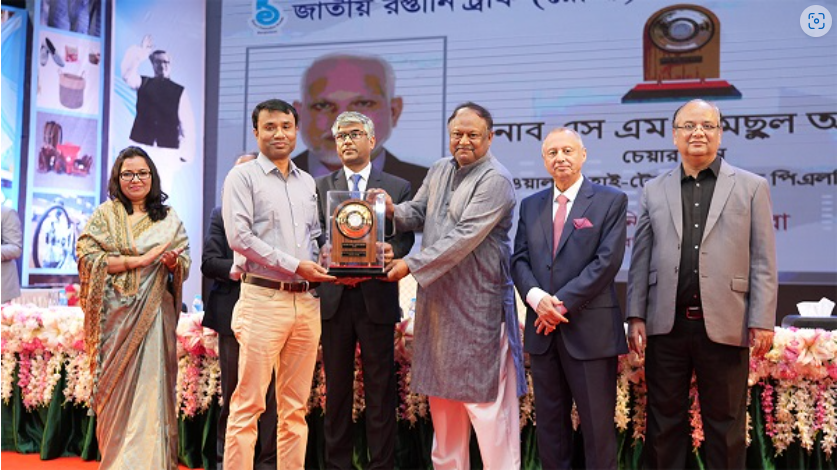
উপস্থাপিত সেরা বার্ষিক প্রতিবেদন, সমন্বিত প্রতিবেদন এবং করপোরেট সুশাসনে ১৫ খাতের ৩০টি প্রতিষ্ঠান আইসিএবি অ্যাওয়ার্ড পেয়েছে। গতকাল সোমবার রাজধানীর সোনারগাঁও হোটেলে ২৩তম আইসিএবি ন্যাশনাল অ্যাওয়ার্ড দেওয়া হয়। শাহ্জালাল ইসলামী ব্যাংক মোট চারটি পুরস্কার জিতে এ বছর সার্বিকভাবে বিজয়ী নির্বাচিত হয়েছে।
এ বছর মোট ৮৬টি প্রতিষ্ঠান থেকে প্রাপ্ত সেরা উপস্থাপিত বার্ষিক প্রতিবেদন, সমন্বিত প্রতিবেদন এবং করপোরেট গভর্ন্যান্স ডিসক্লোজারস– এই তিন ক্যাটেগরিতে প্রথম, দ্বিতীয় ও তৃতীয় পুরস্কার দেওয়া হয়। পাশাপাশি ২৩ প্রতিষ্ঠানকে সার্টিফিকেট অব মেরিট সম্মাননা দেওয়া হয়েছে।
ইনস্টিটিউট অব চার্টার্ড অ্যাকাউন্ট্যান্টস অব বাংলাদেশ (আইসিএবি) আয়োজিত অনুষ্ঠানে প্রধান অতিথি হিসেবে বিজয়ী প্রতিষ্ঠানের প্রতিনিধিদের হাতে পুরস্কার তুলে দেন বাণিজ্যমন্ত্রী টিপু মুনশি। বিশেষ অতিথি ছিলেন পরিকল্পনা প্রতিমন্ত্রী ড. শামসুল আলম। স্বাগত বক্তব্য দেন আইসিএবির সভাপতি মো. মনিরুজ্জামান। এ বছর কোম্পানি বাছাইয়ে ১৩ সদস্যের জুরি বোর্ডে নেতৃত্ব দিয়েছেন সাবেক গভর্নর ড. আতিউর রহমান। সরকারি ব্যাংক ক্যাটেগরিতে সেরা ব্যাংকের পুরস্কার পেয়েছে অগ্রণী ব্যাংক। জনতা ও সোনালী ব্যাংক যৌথভাবে সিলভার এবং রূপালী ব্যাংক ব্রোঞ্জ পুরস্কার পেয়েছে। বেসরকারি ব্যাংক খাতে যৌথভাবে শাহ্জালাল ইসলামী এবং ব্যাংক এশিয়া গোল্ড পুরস্কার পেয়েছে। ইউসিবি ও ব্র্যাক ব্যাংক যৌথভাবে সিলভার এবং মিউচুয়াল ট্রাস্ট ও মার্কেন্টাইল ব্যাংক যৌথভাবে ব্রোঞ্জ পুরস্কার পেয়েছে। আর্থিক প্রতিষ্ঠান খাতে লংকাবাংলা গোল্ড, আইপিডিসি সিলভার এবং বিডি ফাইন্যান্স পেয়েছে ব্রোঞ্জ পুরস্কার।
উৎপাদনমুখী কোম্পানি খাতে ব্রিটিশ আমেরিকান টোব্যাকো বাংলাদেশ গোল্ড, আরএকে সিরামিকস সিলভার এবং ওয়ালটন হাই-টেক ব্রোঞ্জ পেয়েছে। সাধারণ বীমায় সিটি জেনারেল গোল্ড এবং রিলায়েন্স ও গ্রিন ডেল্টা যৌথভাবে সিলভার পুরস্কার পেয়েছে। এনজিও খাতে সাজিদা ফাউন্ডেশন গোল্ড, ব্র্যাক সিলভার এবং শক্তি ফাউন্ডেশন ও ঘাসফুল যৌথভাবে ব্রোঞ্জ পুরস্কার পেয়েছে। যোগাযোগ ও তথ্যপ্রযুক্তি খাতে রবি গোল্ড এবং গ্রামীণফোন সিলভার পুরস্কার জিতেছে। সরকারি প্রতিষ্ঠান হিসেবে ইনফ্রাস্ট্রাকচার ডেভেলপমেন্ট কোম্পানি গোল্ড, আইসিবি সিলভার এবং বিডি ফাইন্যান্স ব্রোঞ্জ পুরস্কার পেয়েছে। সেবা খাতে ইউনিক হোটেল পেয়েছে গোল্ড পুরস্কার।
প্রাতিষ্ঠানিক সুশাসন ক্যাটেগরিতে ব্যাংক এশিয়া গোল্ড পুরস্কার, শাহ্জালাল ব্যাংক সিলভার এবং ব্রিটিশ আমেরিকান টোব্যাকো পেয়েছে ব্রোঞ্জ পুরস্কার। সমন্বিত প্রতিবেদন ক্যাটেগরিতে ব্র্যাক ব্যাংক গোল্ড, আইডিএলসি সিলভার এবং শাহ্জালাল ব্যাংক ব্রোঞ্জ পুরস্কার জিতেছে। Daily Samakal